Gold Medals Start in the Mind
BEACH VOLLEYBALL – KERRI POTTHARST, 3 time Olympian and gold medallist

[H1]GOLD MEDALS START IN THE MIND
BEACH VOLLEYBALL – KERRI POTTHARST, 3 time Olympian and gold medallist
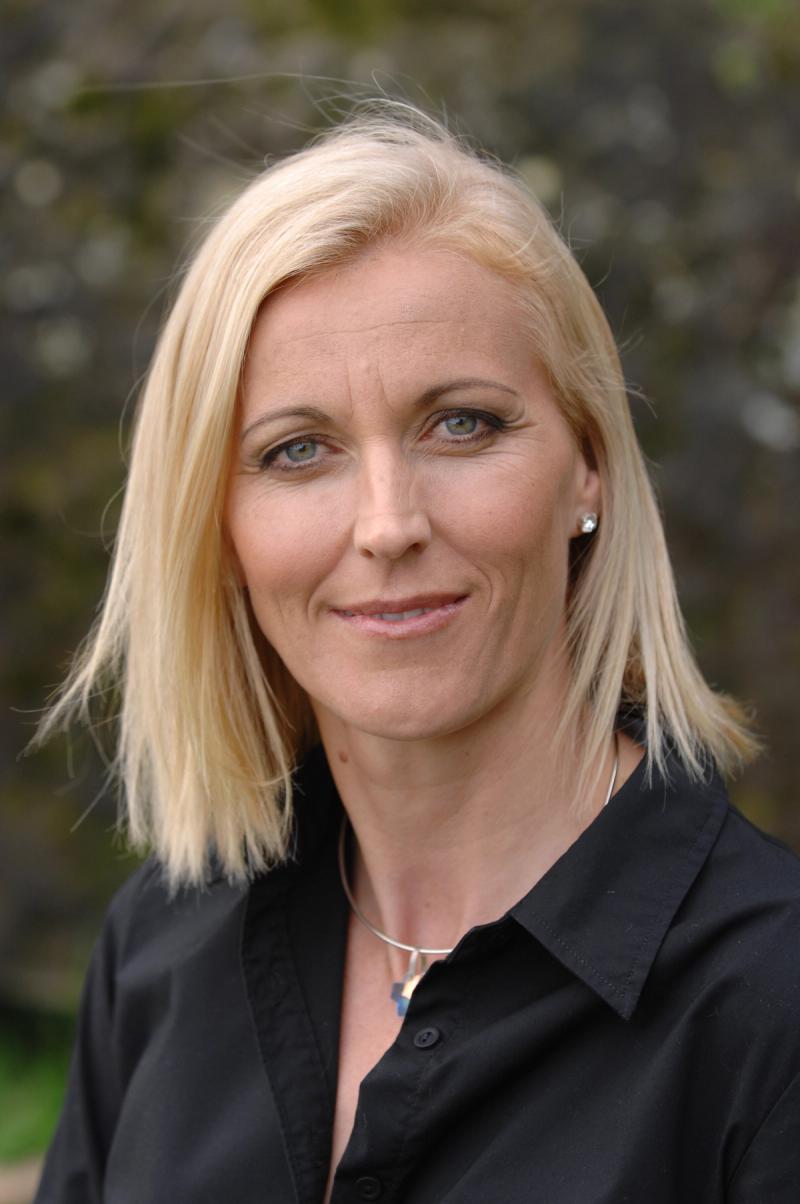
I got involved in volleyball by accident. I was a lanky, skinny, 6-foot-tall teenager, and was teased a lot for being much taller than everybody else. One night, my brother asked me to fill in at the local rec centre for an indoor volleyball team. “Come and stand on the court,” he said, “and when the whistle blows, get out of the way.” I went down and mucked around a little, and seeing some potential, my brother suggested I come along to the club training. They were happy to have another tall player in the team, so suddenly my confidence grew. I was lucky enough to grow up in South Australia with some of the best coaches in the country at the time, including Sue Dancy, the best indoor coach. She took me under her wing and I played indoor volleyball for 10 years before I even went out onto the beach.
In that time, I went from strength to strength. My purpose or reason to play was largely affected by having a community of fellow tall people, and tall boys! I got good at it pretty quickly, being so suited to the sport, and we started travelling around the world. I played for Australia for 10 years from age 17, and captained the side for a couple of years as one of the best players in the country... but I wanted more. I’m the kind of person who always wants to get better and better. So I went to Italy to play a season professionally in a club team, and grew in skills again.
When I came back to Australia between seasons, I completely wrecked my knee in the Australian National Championships. Cruciate and medial ligaments, meniscus cartilage – I tore it all to shreds. At the time, I didn’t know what the future would be. After 3 surgeries and losing a lot of muscle, I realised it would be difficult to get back into playing. So I set some goals, did rehabilitation, moved to Perth thinking I’d get back on the court, but a year later I still couldn’t play anything like I used to. My knee just couldn’t cope.
I decided to give beach volleyball a try, just for some fun. There was an event going on, and when I played, my knee didn’t hurt. Just then, in 1992, the Australian Volleyball Federation announced that beach volleyball would be a full medal sport in the 1996 Olympic Games. So I quit indoor completely and started out on the beach with my best friend at the time, who’d also just quit the indoor team. We started playing on World Tour events and did really well.
The hardest decision was when, after about a year of beach volleyball, I realised that I could be good enough to go to the Olympics. However, I decided I needed to have a better partner to get there. I had to dump my best friend to pick up the talented Natalie Cook as a partner. It was a business decision, and a very difficult thing to do, but I had a gut feeling that I had to go with.
After winning our first medal in 1996 (bronze), we got a bit complacent in our skills and our relationship went downhill. Natalie and I ended up splitting as a pair in 1998 for a season to play with other partners. We still ended up being the No.1 and 2 teams in the country. In that year, Natalie did a lot of personal development and improved her game. My new partner and I didn’t gel as well as we should have on paper, and while we tried to make it work, in the end Natalie and I ended up partnering again for the Sydney 2000 Games and ended up winning the gold medal.
Beach volleyball is all about relationships. You have to have both the physical, strategic and mental stuff really nailed to be successful. We’ve got a team going to Rio who are very similar to Natalie and I. One is 10 or more years older than her partner, as we were, so one experienced player and one younger. They have a great chance of medalling.
[H2]THE GOLD MEDAL EXCELLENCE PLAN
Work on mindset has to be done years before the Olympics. It’s a gradual build up. You can’t fix it with only 4 weeks to go. One thing I used to say to the teams I coached before their big matches, was that they had done all the work. You can get very nervous before a big event and forget all the hard work you did to get there. Just remembering that you are prepared gives you more confidence.
In the years before the Olympics, Natalie and I had designed what those next couple of years looked like. A lot centred around how we felt about ourselves and what words came after, “I am…”. We wrote a script empowering ourselves in our beliefs and desired achievements, creating a picture for ourselves using statements such as “I am an Olympic gold medallist”, “I am the best server in the world”, “I feel X about my partner”. We would read those scripts frequently and lived into it. Every single day we acted like Olympians.
We created a Gold Medal Excellence Plan for ourselves and it included our purpose and our ‘why’. We wanted to win a gold medal to use as a vehicle to inspire others. It also included a code of conduct for ourselves – rules around what we should do as a team, respecting others, commitment to improvement, being focused, and importantly, enjoy the journey. When you’re striving for success in any area, you can get so driven and bogged down that you forget to actually have fun and be balanced. We also detailed what we needed to do to beat every team in the world to win that gold medal. We made sure we’d notched up a win against every team we would compete against at the Olympics, which gave us confidence that we were capable. And then we set out who we had to become as people to be good enough to be worthy of gold medallist before we even made it to the Games. We looked at people who had already achieved this, and top business people, to see what they had done. It was all about Gold Medal Excellence – having a focus on all the things we needed to be and do to be actual gold medallists.
By the time we got to the gold medal match at the Olympics, we weren’t scared or nervous, we were excited and could envision how it would feel and look at the end of the game. The Brazilian team we played, we’d only beaten once in 17 matches over the previous 3 years, but that was all we needed. We knew we could do it. While we were behind in both sets, we had no fear, and plugged away to win a close match. 15 years on, I haven’t come down from that!