
Culture as the Coach's Most Powerful Tool
In 1986, I won third place in Toastmasters World Championship of public speaking and was named as one of five Young Australians of the Year. When these event…

In 1986, I won third place in Toastmasters World Championship of public speaking and was named as one of five Young Australians of the Year. When these events launched my speaking career, I had just been adopted by Paul Dunn, a prominent Australian trainer, and I will always be grateful for the year I spent with him. He essentially gave me a degree in marketing, promotion, confidence and self-belief that I have since used to build a vision and career.
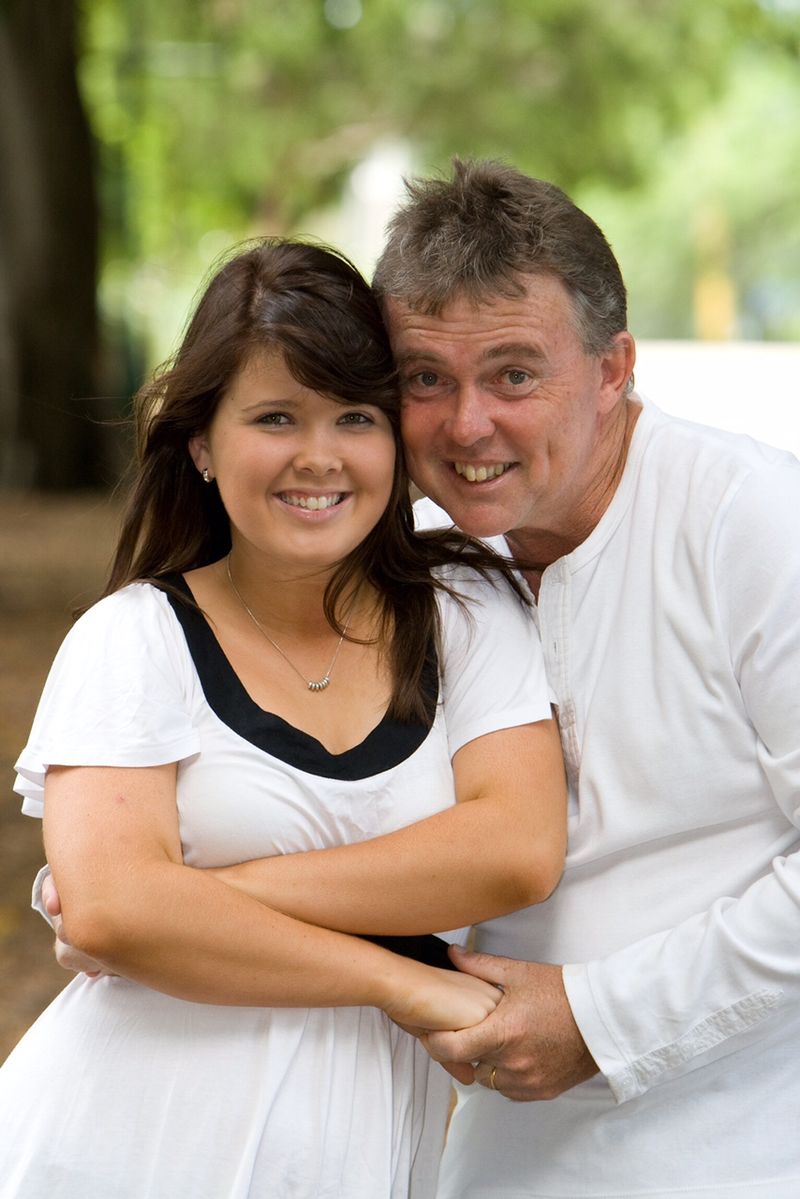
That same year, I was at a breakfast meeting with Keith Abraham, who is now with the National Speakers Association of Australia. We were young bucks, around 26 years old, exploring our training and speaking lives. He asked me, “What would you do if you knew you could not fail?”. I didn't know, back then, that this would be the question that launched me into what I do today. I simply sat there for a few minutes and stared at him before I decided I didn't want to answer the question. I knew he'd have a follow-up question that I didn't want to hear! But I had some guts and told him I'd open a University of Self-esteem Enhancement for young Australians. He said, “Well, why aren't you doing it?” Two weeks later I registered the Australian Youth Development Program, which has now become Global Immersion. Keith's question gave rise to my principle that you must be driven by vision but also open to evolvement. Visions evolve, they are lighthouses that attract us in a particular direction, but as you journey, more information is given to us which allows us to evolve down different pathways.
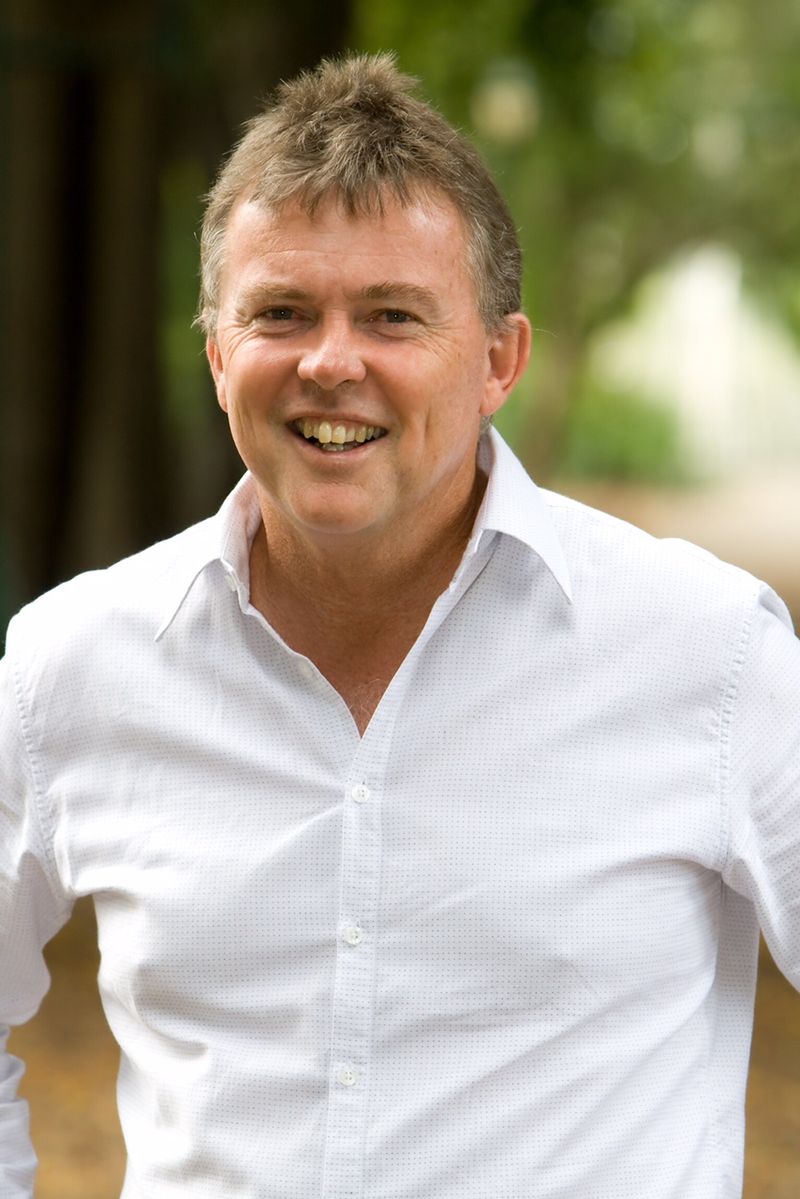
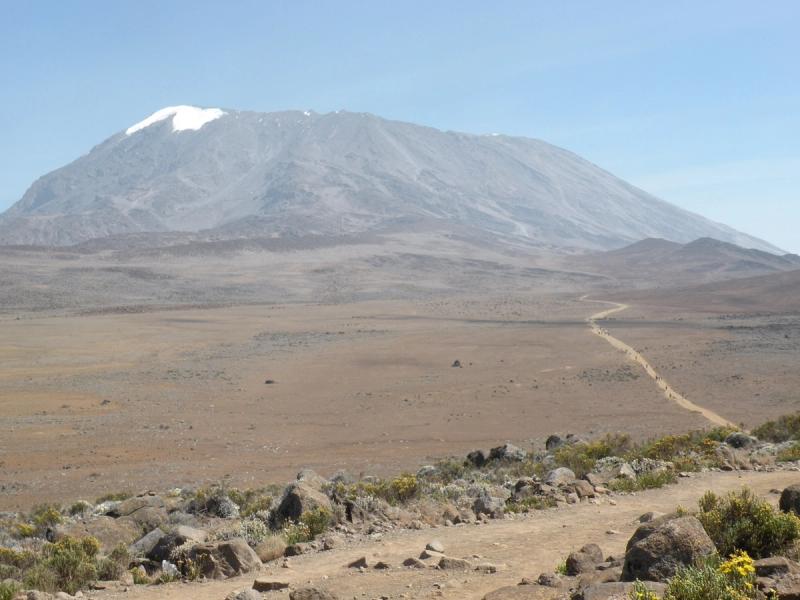
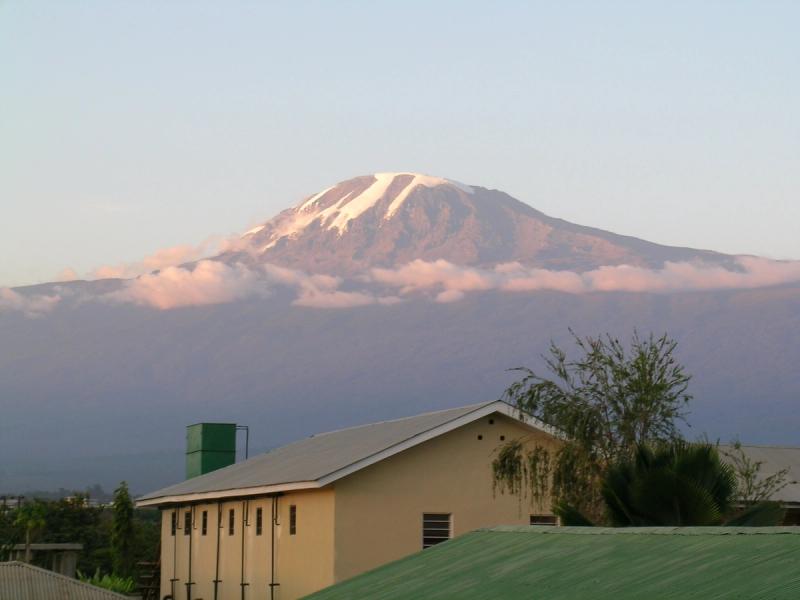
I have to thank Graham Turner, the CEO of Flight Centre, for kicking much of this journey off initially. I had spoken at about 12 conferences in 9 months, all in various countries such as Bali, South Africa, and so on. At the sixth conference, Graham presented me with his bucket list. No.5 on his list was to climb Kilimanjaro. He asked, “Can you guys take me and the executive team of Flight Centre up Kilimanjaro?”. “Of course we can,” I said, not having a clue how we were going to do it!
TANZANIA
Thankfully at that time I had a young adventurer on board, an outdoor education expert called John O’Brien, who went out two weeks ahead of us, and worked out the plan in conjunction with an African supplier called Zara Adventures. John came back and said he'd found the answer to one of my constant question on how to continue the journey with our youth. “Kilimanjaro is the greatest adventure on Planet Earth available to Mr and Mrs Smith. As well as providing leadership program in schools, we can take them on these grand experiences.”
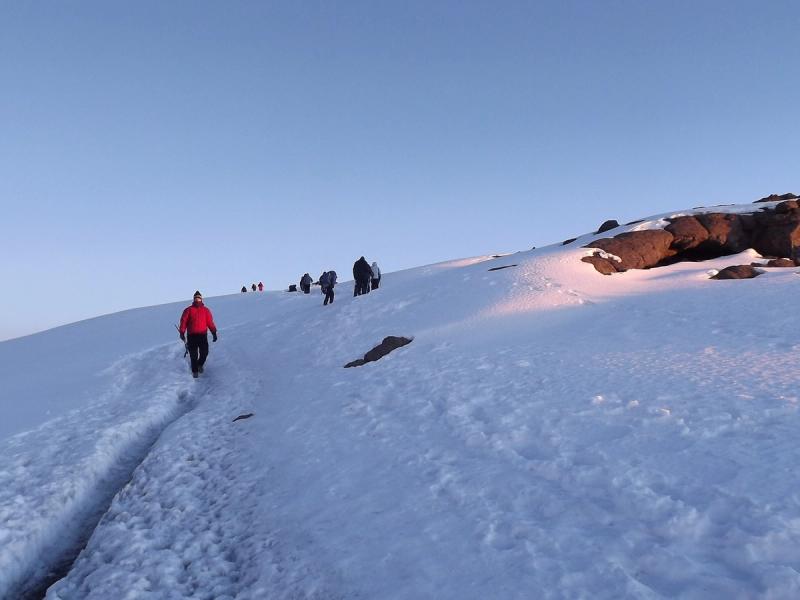
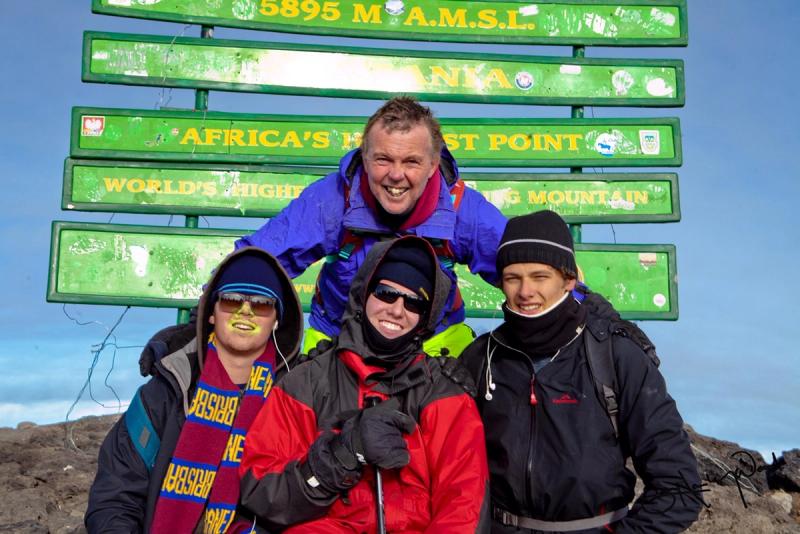
So in 1998, I conducted my first escapade of Australian youth into East Africa with 12 students. They were all products of the Australian Youth Development programs and the conferences we were running work in schools. These events were created a strong connection with the students who then wanted to get involved in the organisation.
That first trip was nothing like what it has become. It involved Kilimanjaro but the safari was actually in Kruger, South Africa. This led me to Soweto, where I met Antoinette Sithole – a remarkable lady whose brother was assassinated in the 1976 uprising in South Africa. She had us live with her friends in the heart of Soweto for the first three nights. In subsequent years, the financials made it too expensive to continue to include Soweto in the tour, so we opened similar connections through St Jude's and Zara which then replaced the potent education section of the experience.
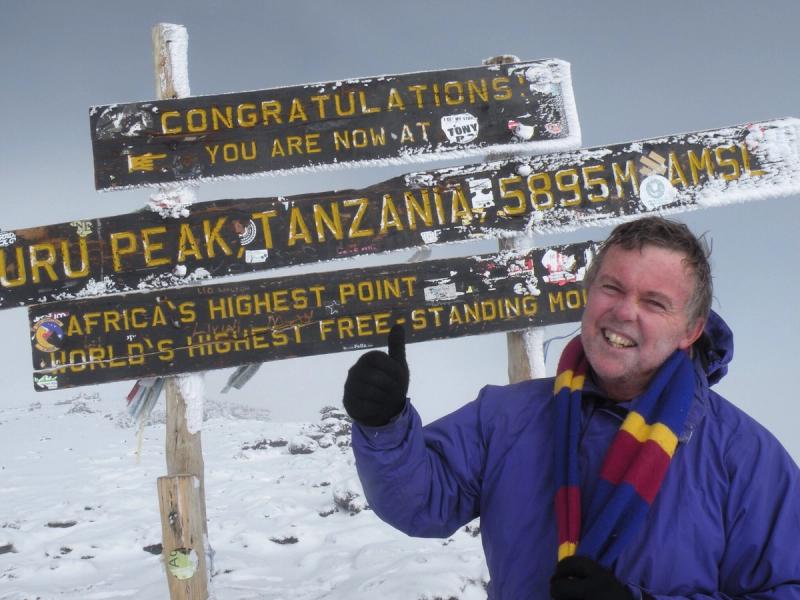
So began an association with a growing number of connections, such as with Bidiana Mmbaga, the school of St Jude, and Zanaib Ansell, a high-profile business woman and principal of Zara Adventures, who actually consult with the government on matters of tourism in Tanzania. Through these growing connections, my East African story began and has now grown into various coaching, training and development adventure activities.
NEPAL AND INDIA
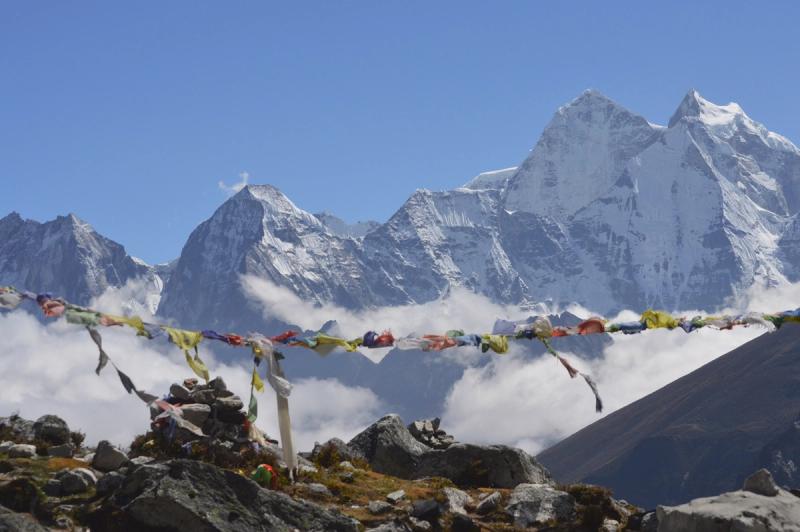
I built the formula on mutual servitude, potent education, extraordinary adventure and community building. Once I got this formula right, I could duplicate it in Nepal and India. I went straight to Michael Groom – then the only Australian to have climbed the top five peaks in the world – and asked for his Nepalese supplier who put him on top of Mt Everest. He gave me Nima T Sherpa. Through Nima the same connections and associations have evolved, from the Nepalese administration and teachers of Khagendra – our school of 122 disabled children – to Tsering and Gyalgin, our main mountain trekking guides. Through them, the program has been integrated into their communities, societies and workplaces, first in Nepal in 2006, then India in 2008.
PERU
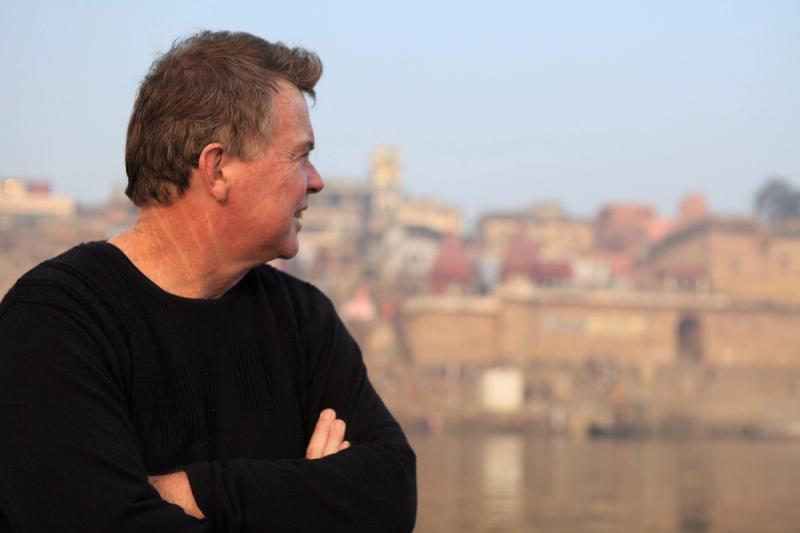
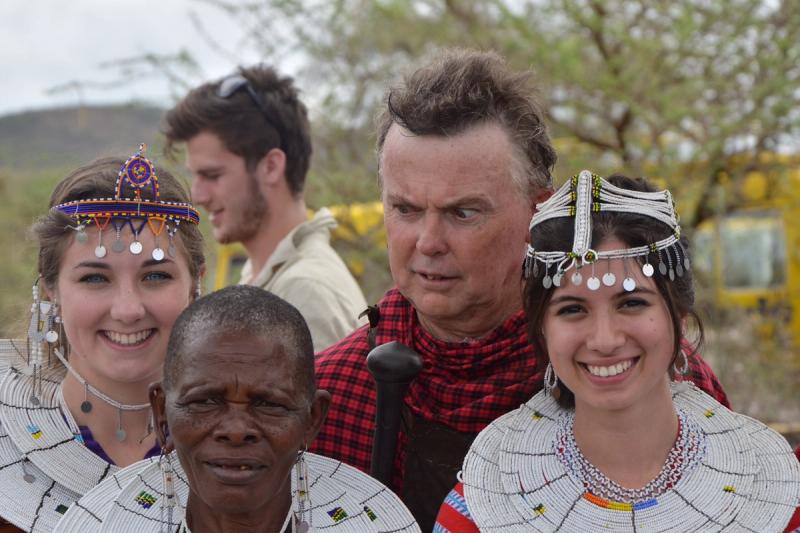
In Peru, we have run the Salkantay trek into Machu Picchu since 2012, with the mutual servitude component through a beautiful charity called Peruvian Hearts; an orphanage for 28 girls who have suffered abuse. The program participants work with the orphanage prior to embarking on the trek. The consequence of working with charities closely is that it team-builds the Australian participants into a group ready to take on the extraordinary adventure. The charity work always launches the trip, and often brings the 'potent education' moment. In India, it is the visit to Varanasi, the holy city on the Ganges and working with the Mother Theresa Missionaries of Charity in Kolkata. In Africa, it's the chance to live with the Maasai, the chance to live in the homes of the teachers of Mandela. In Peru, it's five days in the Amazon.
The community building value is often misinterpreted by the participants to begin with, as “us building community with the people of our destination”, but actually the most important part is creating the environment in which we encourage our participants to thrive. It's not about doing or seeing something as 50 individuals, it is an educational life journey which is meant to bring those 50 people together – to understand each other, accept each other, create friendships and value between each other. It's a big point of difference to most other travel organisations. We consider ourselves life educators through travel.
I don't create new trips every year – instead I make each experience more profound. We virtually know what each minute looks like of each trip, although I do think travel must include spontaneity and the opportunity to respond. But for our participants, who are mainly 15-19 years old, all of the activities and events are so different, that to them it may as well be spontaneous. We are still open to spontaneous opportunities but knowing what the timetable looks like means we have control over the events and can rely on a level of safety that makes the experience doable.
SPAIN
There is one new trip in the making: Northern Spain's Camino de Santiago. This will require the potent education section to focus around the historical battlefields of France. The mutual servitude will actually start in Brisbane, two days prior to departure spent interacting with an Australian charity for a team-building experience. We will then fly to Paris to explore the sights, and then on to a French village called Lourdes where Bernadette Soubirous had eighteen visions of the Virgin Mary and created a miraculous spring that has never run dry. I do this because they will see 10,000 people on their knees praying around the spring, which in turn encourages the participants to ask questions, to investigate, to critically analyse faith, power and its benefits.
Three hours away is the start of El Camino, high up in the French Pyrenees. I anticipate it beginning in 2017, with youth of 18-19 years of age. We will break it up into 3 sections of 5 days each. On the El Camino, you don’t book your accommodation ahead. The groups can walk separately and stay in different villages but meet to stay together in the main towns.
I do need to create an Australia-Pacific experience in the future too. We have so much to explore – Lord Howe Island, the Larapinta Trail, Uluru, Alice Springs, the Great Ocean Road trek in Victoria, Milford Sound in New Zealand.
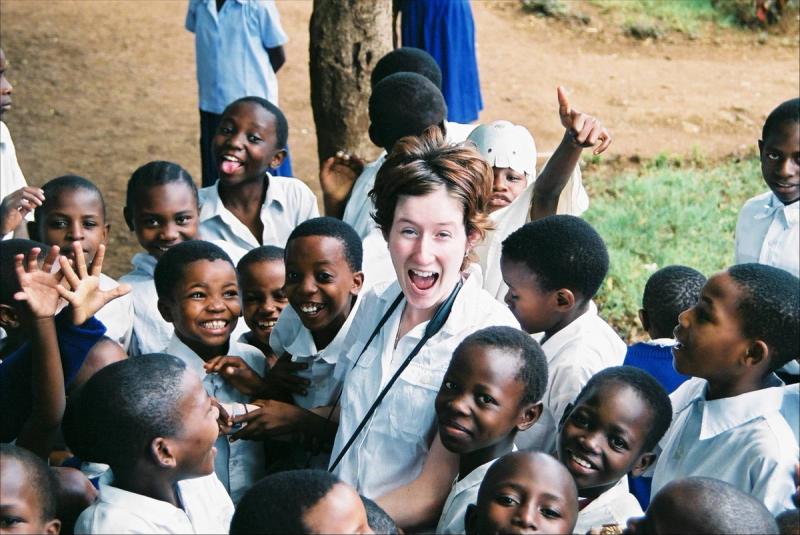
At the micro level, you cannot coach or have a cultural exchange unless you can communicate. For example, the way that I coach in Tanzania with the students at St Jude’s or children from the three primary schools we work with, has only very subtle changes from my normal coaching approach. It is almost subconscious, the way the adjustments make, almost instinctual shifts on a micro scale. However, these tiny shifts are very important in order to connect.
Our mission is to have 50 conversational words of the local language. This is an imperative part and we make it a fun participation. We start with 10 words on the plane and add more as we go.
The second point is the tone when speaking to the locals. The kids give me a hard time about this, but it is important that I mimic the tone. The locals understand that I am attempting to connect with them this way. Some of the other leaders do it instinctively and it helps with presence and identity with the local people.
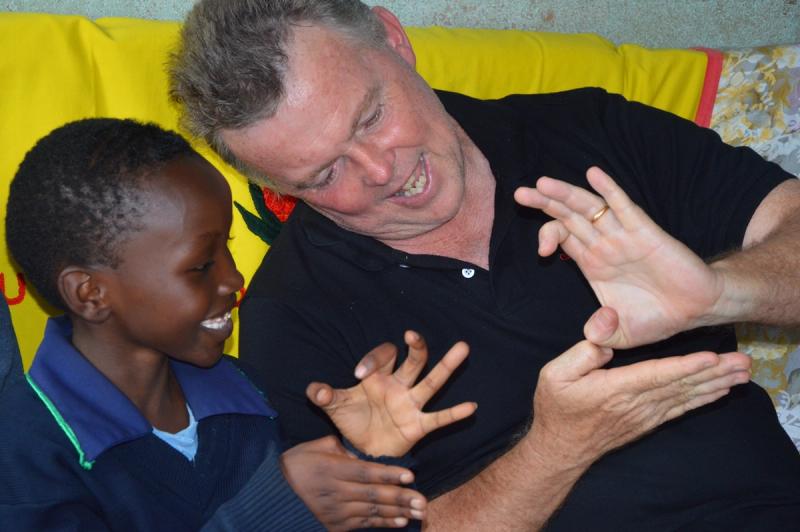
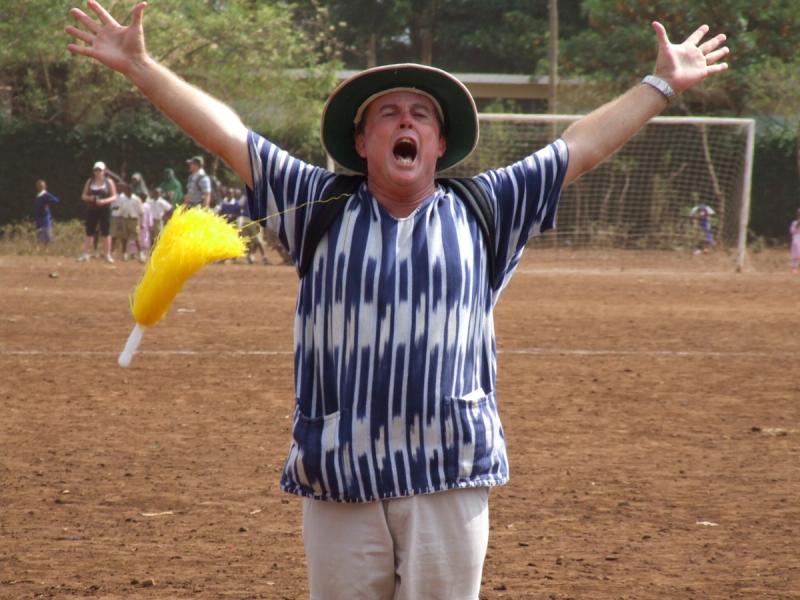
The third thing that I do is that I rely heavily on loud, strong body language. If I want to tell a bunch of kids in a classroom that I travelled from Australia to Africa on plane, I will use my arms as wings which reinforces my words. Some people see me as play acting, but I want the Tanzanian kids to fully understand what I am saying. When it comes to coaching and teaching, the pace of our words naturally slows down and gives stronger enouncement to accompany the stronger body language.
When I become loud with body language, it has the capacity to make kids laugh. There is no doubt in my mind that laughter is the universal connector and can transcend cultural barriers.
About the Author
Edit author
Bernie Kelly is an Australian executive coach and coach educator with 15 years of coaching experience across the Asia-Pacific region and 18 years in corporate leadership roles with a global company. In 1986, he placed third in the Toastmasters World Championship of Public Speaking and was named one of five Young Australians of the Year. He has coached senior executives and led accredited coach training programs across multiple countries, with a particular focus on cross-cultural coaching and building coaching cultures within organisations.